Table of Content
For example, one may include free-standing garden sheds, all fencing and lawns in the coverage, and another may not. For most people who own property, their home is their most valuable asset. It’s also where we centre our lives and ensure our basic needs are met. We do not offer direct consumer advice or services but we want to help you find what you're looking for in our contact directory. If you install security screens or alarms and send photos of these safety measures to your insurer, then you may be able to benefit from lower premiums.

The policy typically helps provide cover for repairs to the building, plus fittings and fixtures. Some insurers, such as Australian Seniors offer discounts to Seniors Card holders. They can also cover hearing aids and wheelchairs as part of portable valuables and can be contacted over the phone.
How much does Home Insurance cost?
You may be able to get a discount by purchasing home and contents with your car insurer as an existing customer (if they offer it multi-policy discounts, also known as insurance bundling). However, while convenient, this may not actually leave you better off, which is why it always pays to compare. It may actually save you money to have home or contents insurance with one provider, while holding another insurance policy with another brand altogether. We do not compare all home and contents insurance providers in the market. At certain times, some insurance policies might be unavailable. A home isn't just the building, but also the people living in it and their possessions.

Some risks may be covered as standard by a policy, while others can be added as optional cover. What’s covered will also depend on whether you have building-only cover, contents-only cover or a combined policy. Depending on your policy and where you live, this could also include a wider range of riskier circumstances, like flooding or some accidental damages . You’ll also often see policies features like cover for your accommodation costs while your home is being repaired. Be sure to scour your product disclosure statement which houses all your policy details for any exclusions around what’s covered or what could be costing you extra.
What does Home Insurance Cover?
Cover for water damage caused by burst pipes (often referred to as ‘escaped liquid’), storms and flooding have different insurance definitions and may not all be included in your policy. While the first two are more common, flood cover is increasingly being offered as a more costly optional extra. This is especially important if you make any additions to your home like building a verandah or updating your bathroom, or if you purchase costly items you’d like to include under contents cover. Contents insurance will often crop up in conversations about home insurance.
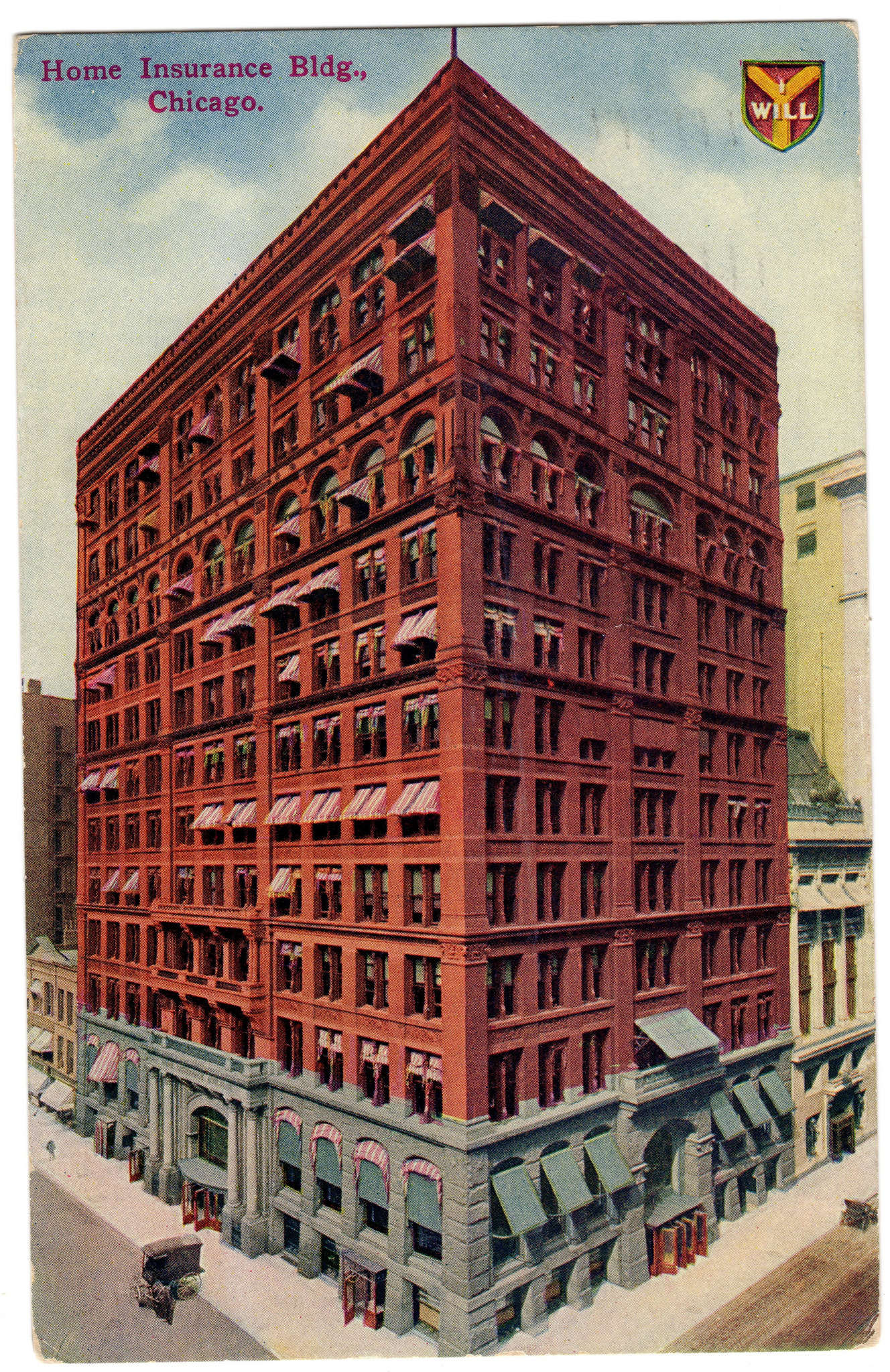
Home and contents insurance covers the cost of repairing or replacing your house and your belongings when something goes wrong. The two main types of home cover are sum insured and total replacement. The former involves a valuation that estimates what it would cost to rebuild your home if it were totally destroyed. The latter considers the exact cost to repair or rebuild your home to the same standard.
Stephen’s home and contents insurance tips:
For example, if you live in a flood-prone area of the country, an insurer that automatically covers floods is likely to be better suited for you. Receive up to 20% off your Woolworths home and contents policy when you purchase online. Discount is made up of a 10% online discount for the first year, 10% for buying a combined policy and a further 10% if you hold a Seniors Card or 5% for non-card holders over the age of 50.

As you can see, Home Insurance costs can vary between states and households. We can also infer that bundling Home and Contents policies together can often be more cost effective than separately taking out multiple standalone policies. If you have a good claim history, then you may be able to avoid paying higher premiums. It’s important to remember that Home Insurance doesn’t generally cover any household items, or your belongings. This could mean that you may end up receiving less than you need, or you may need to pay additional costs to cover your losses.
Why compare home and contents insurance?
Here's how travel insurers are responding to the pandemic. Here's a list of our state guides that can help you decide what kind of policy is best for you. Hopefully by now you've figured out the best policy for you. Honey won the Finder Insurance Innovation award and was the only insurer to finish in the top 3 places for both categories of the Finder Awards. Finder's Head of editorial saved $1,415 by switching to Honey after 11 years with the same insurer.

For example, in some states and territories, the buyer would be responsible for these costs once the property transaction has settled. It’s a good idea to check the rules in your state or territory, and you may want to consider arranging for your home insurance policy to kick in as soon as the risk is transferred to you. Canstar researches and rates more than 100 home and contents, home-only and contents-only insurance policies from dozens of different providers. The policies found to offer the best value overall based on premiums charged and the level of cover and features on offer receive a 5-Star Rating. Canstar also gives Awards to the providers found to offer Outstanding Value overall, both nationally and in various states and territories.
As Canstar’s Editor-in-Chief, Nina heads up a team oftalented journalists committed to helping empower consumers to take greater control of their finances. Previously Nina founded her own agency where she provided content and communications support to clients around Australia for eight years. She also spent four years as the PR Manager for American Express Australia, and has worked at a Brisbane communications agency where she supported dozens of clients, including Sunsuper and Suncorp. Canstar’s Research team rates policies based on different locations and sums insured.

Home and contents insurance is a type of cover designed to protect homeowners financially if their property and/or its contents are damaged, destroyed or stolen in certain circumstances. For example, if your home is destroyed by a fire and your claim is approved, a home and contents insurance policy may cover all or part of the cost of rebuilding your home and replacing its contents. There are several different types of cover available depending on what level of cover you need and whether you live in the property or rent it out.
We gathered over 200 quotes from 16 different Australian insurers to work out the average home insurance costs from state to state with a building worth $500,000 and contents valued at $100,000. If you live in NSW, you can expect to pay a little bit more than other places. South Australia got lucky with the cheapest average cost for a home and contents policy. However, when valuing your home and possessions, you should take care not to underinsure your assets, potentially leaving you with a policy that only covers a portion of the value. Your insurance provider may also look at discounting the value in the event they need to make a claim settlement.


